Lost Filling or Crown: Is It a Dental Emergency?
A filling falls out at dinner, or a crown comes loose while brushing, and the first question is usually the same: do I need help right now, or can this wait until tomorrow?
The answer depends on what is happening inside the tooth, not just on the fact that a restoration came off. Some lost fillings and crowns are uncomfortable but not urgent. Others expose a damaged tooth, trigger significant pain, or leave you vulnerable to fracture or infection. That is when a routine repair becomes a genuine dental emergency.
What makes this tricky is that people often judge the situation by appearance alone. If the crown is still in one piece, it can seem harmless. If the missing filling leaves only a small hole, it may look minor. In practice, the level of urgency comes down to symptoms, location, and the condition of the tooth underneath.
Why fillings and crowns come loose in the first place
A filling or crown rarely fails without a reason. Sometimes the cause is simple age. Dental materials do not last forever. Fillings can wear down, develop tiny gaps, or loosen after years of chewing pressure. Crowns can lose retention as cement weakens over time.
Just as often, though, the restoration is warning you that something else has changed. A cavity may have formed around the edge of the filling. The tooth may have cracked. Grinding and clenching can stress both the restoration and the natural tooth supporting it. Sticky foods are classic culprits too. I have seen more than a few crowns come off because someone bit into caramel, taffy, or a hard granola bar and the underlying bond was already compromised.
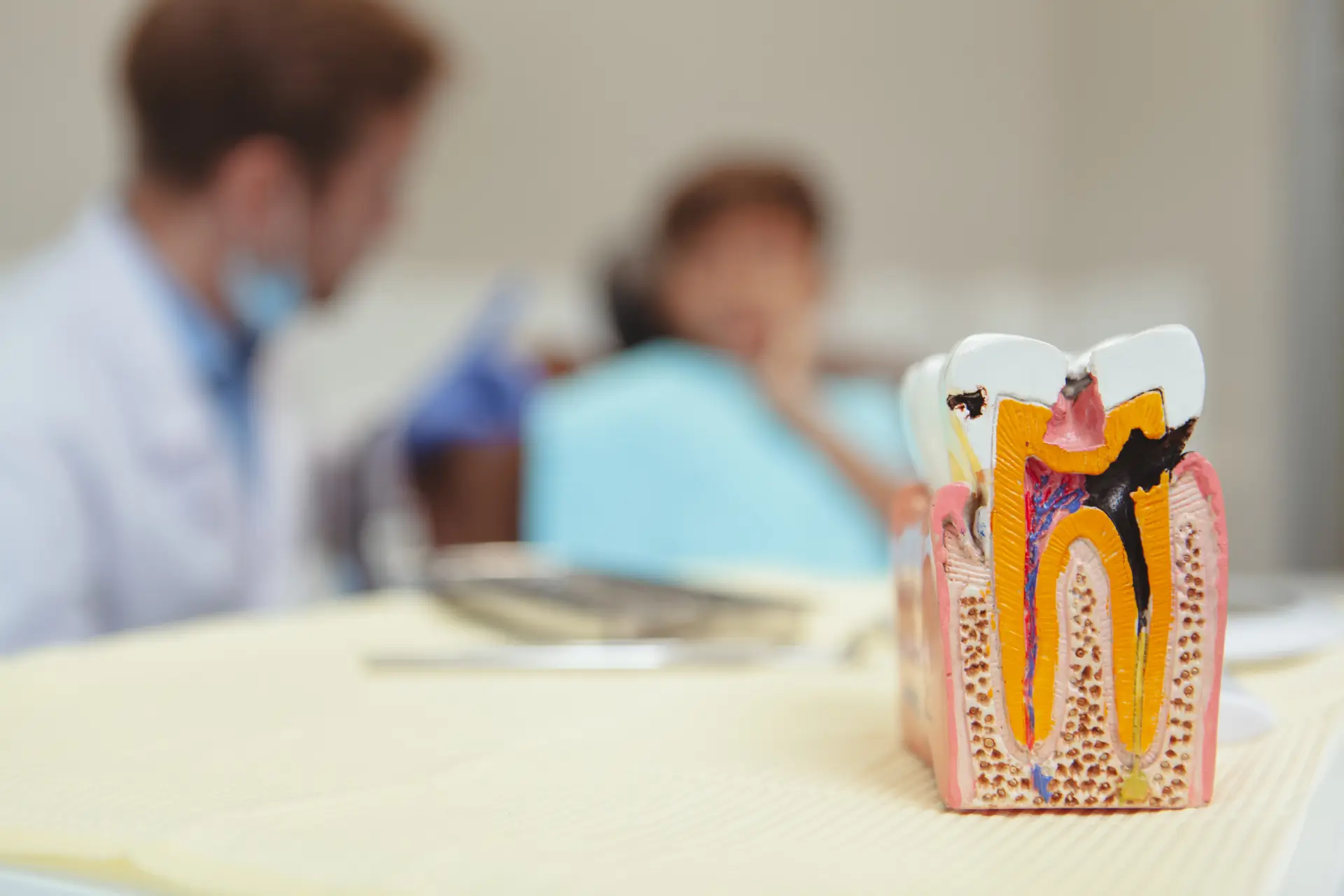
There is also a difference between a filling falling out and a crown coming off. A filling occupies a prepared space within the tooth. When it is lost, part of the inner tooth structure may be exposed. A crown covers most or all of the visible tooth above the gumline. If it comes off, what is left behind may be a small, vulnerable core that was never meant to function uncovered.
That difference matters, because exposed dentin and weakened tooth walls can turn a manageable repair into a larger problem surprisingly fast.
When it is truly a dental emergency
Not every lost crown or filling calls for an after-hours visit, but some situations should move to the top of your list. The concern is not only pain. Dentists worry about infection, fracture, bleeding, swelling, and the risk that the tooth cannot be restored as simply if treatment is delayed.
Here are the clearest signs that you should seek urgent care:
- Severe or increasing pain, especially if it throbs or keeps you awake
- Swelling of the gums, face, or jaw
- Bleeding that does not stop, or visible trauma to the tooth
- A broken tooth with sharp edges or a large missing section
- Fever, pus, bad taste, or pressure that suggests infection
Those symptoms point to more than a lost restoration. They suggest that the nerve of the tooth, the surrounding tissues, or the structure of the tooth itself may be involved.
If the crown came off after a fall, sports injury, or blow to the face, urgency also rises. Trauma can crack the root or damage neighboring teeth even when the problem first appears limited to one crown.
Situations that can usually wait a day or two
There are plenty of cases that feel alarming but are not true emergencies. If you lost a filling and the tooth is not painful, there is no swelling, and you can chew on the other side comfortably, it is usually reasonable to call your dentist during normal business hours and arrange a prompt appointment.
The same is often true for a crown that has come off cleanly, especially if the tooth underneath is not sensitive and the crown still fits. You should not ignore it for weeks, because teeth can shift and crowns can become harder to reseat, but this is often an urgent repair rather than an emergency.
A practical rule is this: discomfort alone does not always equal emergency, but pain that is escalating, pain with swelling, or pain after trauma deserves faster attention.
What is happening inside the tooth after a filling is lost
People often assume a filling exists mainly to close a hole. It does that, Vitality Dental Dental Emergency but it also protects a prepared area of tooth that may already be weaker than untouched enamel. Once the filling is gone, the exposed surface is more sensitive to temperature, sweets, air, and pressure. You might notice a sharp zing when drinking cold water or breathing in through your mouth.
That sensitivity can come from exposed dentin, which contains microscopic tubules connected to the inner part of the tooth. It does not necessarily mean the nerve is infected. It does mean the tooth is less protected than it was yesterday.
The larger concern is structural. If the filling was small, a brief delay may not matter much. If it was large, the remaining tooth walls may be thin. In that situation, every bite increases the chance of a crack. I have seen patients do well for a week with a missing filling, and I have also seen a tooth split after one meal because the restoration that had been supporting it was gone. The second scenario often changes the treatment from a new filling to a crown, or from a crown to an extraction if the fracture extends too far.
What is happening after a crown comes off
A crown usually covers a tooth that has already been significantly repaired. Sometimes there is a large old filling underneath. Sometimes the tooth has had root canal treatment and is more brittle than a healthy untreated tooth. Sometimes the visible stub left behind is only a core buildup attached to the remaining tooth.
That is why a lost crown can feel less dramatic than it actually is. The crown itself may look sturdy in your hand while the tooth underneath is at its most vulnerable. If the exposed tooth is short or tapered, it may not tolerate normal chewing forces well. If the crown came off because decay developed beneath it, the exposed area may be soft or sensitive.
Another issue is fit. Patients sometimes place a crown back over the tooth and assume the problem is solved. Occasionally that is a useful short-term measure, but only if it seats fully and passively. If it goes on crooked, even slightly, biting down can crack the tooth or distort the crown so it no longer fits properly. A crown that rocks, feels high, or only partially seats needs professional attention rather than persistence.
The first few hours matter more than most people think
If your filling or crown has just come out, the goal is simple: protect the tooth, preserve the restoration if possible, and avoid making things worse before you are seen.
A sensible first response looks like this:
- Rinse your mouth gently with warm water and save the crown or any large pieces
- Avoid chewing on that side, especially hard, crunchy, or sticky foods
- If the area is sensitive, choose soft foods and avoid very hot, cold, or sugary drinks
- Call your dentist and describe pain, swelling, trauma, and whether the tooth looks broken
- If a sharp edge is irritating your cheek or tongue, cover it temporarily with dental wax or sugar-free gum
That advice is deliberately conservative. Home care can buy time, but it does not repair the underlying problem.
Can you put a crown back on yourself?
Sometimes, with a crown that came off intact and a tooth that is not broken, a temporary re-seating may help protect the area until you are seen. Drugstores often sell temporary dental cement for this purpose. It can be useful, but judgment matters.
The crown should be clean. The tooth should not be forced. The crown should seat fully without pressure and line up exactly as it did before. If you are not sure, do not experiment. A crown placed backward or only halfway on can create more trouble than leaving it off.
Super glue is never appropriate. That sounds obvious, but people use it more often than dentists would like to admit. Household adhesives are not made for oral tissues, are difficult to remove, and can interfere with proper recementation or replacement.
If the crown contains a metal post or if the tooth underneath seems jagged, broken, or painful to touch, skip the self-repair and call for guidance. Those cases are less forgiving.
What about temporary fillings?
Temporary filling material from a pharmacy can sometimes cover an exposed spot and reduce sensitivity for a day or two. It is not a bad short-term option when a small filling has fallen out and you cannot be seen immediately. It Dental Emergency does not disinfect the tooth, stop decay, or reinforce weak walls in the way a permanent restoration does.
Think of it as a rain jacket, not a new roof. It may keep things calmer for a short period, but the tooth still needs proper evaluation.
One caution is worth mentioning. If food packs into the area and you keep adding over-the-counter material on top without cleaning it well, you can trap debris against the tooth and irritate the gums. If you use a temporary material, keep the area clean and get in promptly.
Pain level is important, but not the whole story
Many people use pain as the only measure of urgency. That can be misleading. Teeth do not all behave the same way. A root canal treated tooth may have almost no sensation even when the crown has come off and the tooth is at high risk of breaking. By contrast, a shallow lost filling can produce dramatic cold sensitivity that feels severe but is less dangerous than it seems.
Dentists look at the full picture. Is the tooth fractured? Is there swelling? Was there trauma? Is the bite hitting the exposed area directly? Has the restoration come off repeatedly? Is the patient immunocompromised, pregnant, traveling, or heading into a weekend when access will be limited?
Those details shape the response. A mildly uncomfortable lost crown at 9 a.m. On a Tuesday may be handled differently from the same crown coming off on the first night of a two-week trip.
Special situations that deserve extra caution
Children, older adults, and medically complex patients deserve a little more caution than the average straightforward case.
For a child, it matters whether the lost restoration is in a baby tooth or a permanent tooth. Baby teeth still matter because they hold space and affect comfort and eating, but the urgency can differ. A lost restoration in a permanent tooth of a child or teenager should be addressed promptly, especially because younger patients may not always describe symptoms clearly.
For older adults, crowns often sit on teeth with extensive prior work. What looks like a simple recement may actually involve recurrent decay, a fractured core, or very little natural tooth left. Dry mouth from medications can also increase the risk of decay around margins.
Patients with diabetes, immune suppression, recent cancer treatment, or certain heart conditions should be more alert to swelling, drainage, or signs of infection. What begins as a local dental problem can escalate faster in those settings.
How dentists decide between recementing, repairing, or replacing
When you arrive at the office, the immediate question is often whether the original crown or filling can be reused. Patients naturally hope for the simplest option, and sometimes that is exactly what happens. An intact crown with a good fit and a healthy underlying tooth may only need recementation. A small lost filling may be replaced in a single visit with little difficulty.
But there are several reasons the plan may change. If decay is present under the crown, the tooth has to be cleaned and reassessed. If the crown margin is distorted, there may no longer be a proper seal. If too much tooth structure broke away when the restoration came off, a new crown may be needed. In some cases, the tooth requires root canal treatment before it can be restored safely.
The same goes for fillings. If a filling fell out because the cavity beneath it grew larger, simply placing another filling in the old shape may not be reliable. The new repair may need to be larger, or the tooth may be better served by an onlay or crown.
This is one reason prompt care matters even when pain is mild. The sooner the tooth is evaluated, the more likely it is that the solution stays smaller, faster, and less expensive.
A common scenario that illustrates the difference
Imagine two patients.
The first loses a small silver filling while flossing. The tooth feels slightly rough, but there is no pain, swelling, or difficulty eating. That patient should still book an appointment soon, yet the situation is usually stable for a short period.
The second loses a crown while eating almonds. The exposed tooth is dark, short, and sharply sensitive to air. By that evening, the gum feels puffy and biting is tender. Even if the crown itself is intact, this is no longer a simple inconvenience. The crown may have been masking decay or a crack, and waiting several days could make the tooth much harder to save.
The object that came out is only part of the story. The condition of the tooth it left behind is what determines whether you are dealing with a routine repair or a dental emergency.
What not to do while you wait
A surprising amount of damage happens after the restoration is already out. People test the tooth repeatedly with their tongue, chew on it to see if it is “still okay,” or keep removing and replacing a crown to experiment with the fit. None of that helps.
Hard foods are a particular problem. Nuts, ice, crusty bread, popcorn kernels, and chewy candy can all turn a manageable situation into a cracked tooth. Very hot coffee and cold drinks can make sensitivity miserable and lead people to think the tooth is infected when it is simply exposed.
If the area is sore, over-the-counter pain relief may help, assuming it is appropriate for you medically. But pain medicine should not be used to postpone care indefinitely, especially if symptoms are changing. Medication can dull pain while an infection or fracture continues to worsen.
Prevention is not glamorous, but it works
Most lost crowns and fillings are not random bad luck. Regular exams often catch the warning signs before something comes off. Margins start leaking. Old restorations show wear. Tiny cracks appear. Cement washes out around a crown. Night grinding leaves clues on the teeth.
If you grind or clench, a night guard can make a real difference. If you have dry mouth, managing it matters. If your dentist has been watching a crown that has loosened once before, do not ignore the follow-up. Restorations tend to fail on their own schedule, which is usually inconvenient and occasionally expensive.
A lot of emergency dentistry is really deferred maintenance that finally became impossible to postpone.
So, is a lost filling or crown a dental emergency?
Sometimes yes, often no, and occasionally it becomes one if you wait too long.
A lost filling or crown is an urgent dental issue because the tooth has lost protection. It becomes a true dental emergency when there is severe pain, swelling, bleeding, trauma, infection, or a high risk of fracture. If symptoms are mild and the tooth is stable, you can often wait for a prompt office visit rather than same-hour emergency care. The key is not to underestimate the problem, especially with crowns on heavily restored teeth.
If you are unsure, call. A brief conversation with a dental office can usually sort out the urgency quickly. Describe what came out, when it happened, whether the tooth is broken, and whether you have pain, swelling, fever, or trouble biting. Those details allow the team to judge whether you need immediate care or the next available appointment.
When it comes to saving teeth, timely attention often matters more than dramatic symptoms. A restoration that failed quietly in the morning can still become a much bigger problem by the end of the week.
Vitality Dental
Address: 1220 Coit Rd #106, Plano, TX 75075
Phone number: +19726454100
FAQ About Dental Emergency
What can the ER do for a tooth?
An emergency room (ER) can manage pain and treat severe infections with medication, but it cannot fix or pull a tooth.
What is considered a dental emergency?
A dental emergency is any oral health problem that involves severe pain, uncontrollable bleeding, or an infection that threatens your health or requires immediate care to save a tooth.
Is there a 24-hour dental service in Plano, TX?
There is no physical dental clinic in Plano, Texas, that stays open with walk-in staff 24 hours a day, but several offices offer 24/7 phone support, late-night hours, or same-day emergency care.