Emergency Dentist Care for Loose Teeth After Impact
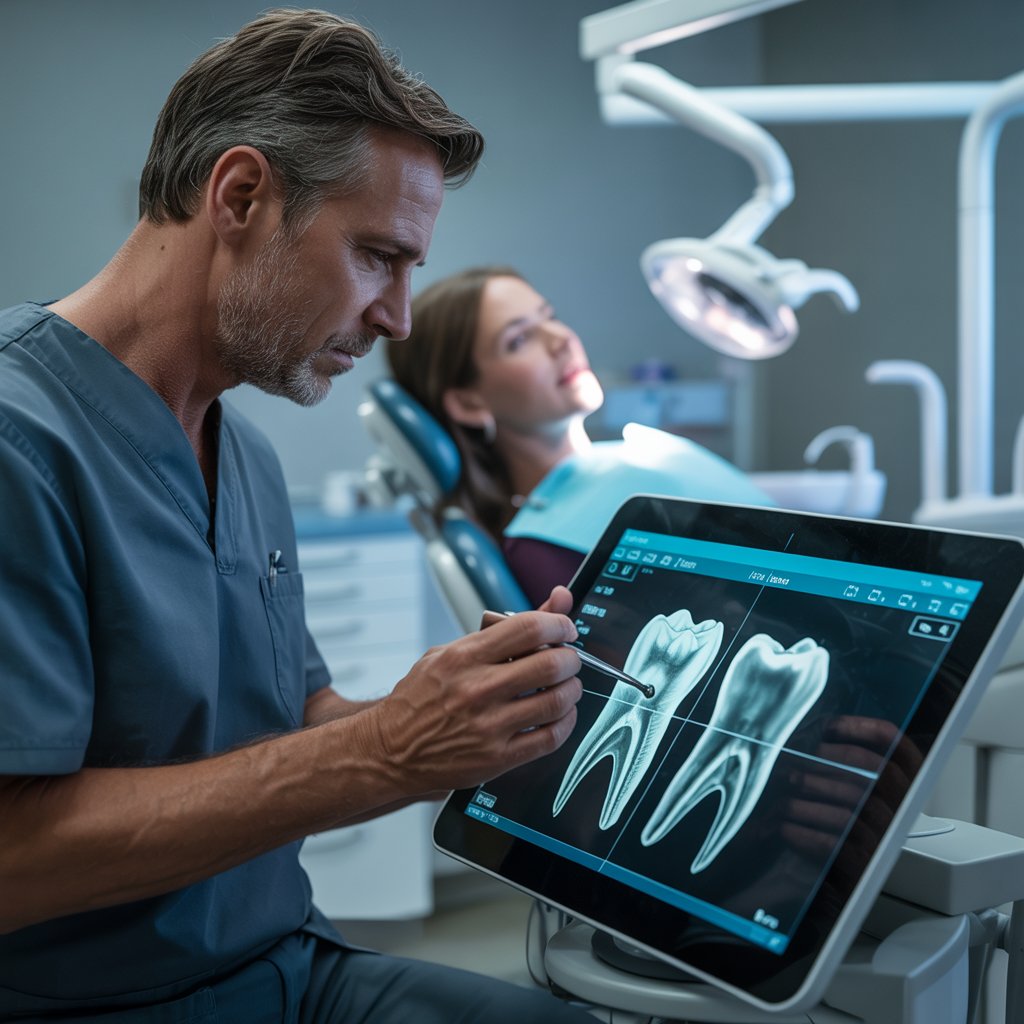
A loose tooth after a fall, sports collision, elbow to the mouth, or car accident is never something to watch and wait on. Teeth are anchored to bone by a thin, living ligament, and when that support is bruised or torn, time matters. What looks like a small wobble in the bathroom mirror can represent a significant injury beneath the gumline.
People often assume a loose tooth means it will either “tighten back up” or inevitably need extraction. Real life is less simple than that. Some teeth recover beautifully with prompt stabilization and a soft diet. Others look almost normal at first and then declare the true extent of injury over the next few days. The difference is often early examination, careful handling, and the right follow-up.
If you need an Emergency Dentist for a loose tooth after impact, the goal is not just to stop pain. It is to protect the blood supply to the tooth, preserve the ligament around the root, check for fractures in the tooth and bone, and reduce the chance of long-term problems such as nerve death, root resorption, or bite changes.
Why a loose tooth is an emergency
A tooth does not become mobile without a reason. After impact, mobility usually means one of three things has happened, and sometimes more than one at the same time. The periodontal ligament may be stretched or partly torn. The bone around the tooth may be bruised or fractured. The tooth itself may have cracked below the gumline, where damage is harder to see without an exam and X-rays.
This matters because the mouth heals according to forces. Every time a loose tooth moves during chewing, talking, or unconscious clenching, those healing fibers are disturbed. That does not mean every injured tooth is doomed. It means an unstable tooth needs to be protected while a dentist determines how severe the injury is.
I have seen people wait three or four days because the pain seemed manageable, only to learn that the problem was not the tooth vitalitydentaldfw.com Emergency Dentist crown at all, but a small fracture in the surrounding socket bone. I have also seen the opposite, a patient convinced they had shattered a tooth, when the tooth was only mildly subluxated, which is the dental term for loosened but not displaced. Those cases often do well with conservative care, but only after someone verifies the diagnosis.
The first hour changes a lot
The earliest decisions at home can help or hurt. A frightened person may keep touching the tooth to “see if it’s still loose,” or a parent may encourage a child to bite down to test whether it feels better. Both are understandable. Neither is helpful.
During the first hour, the priority is to minimize further movement, control bleeding, and get professional advice. If the tooth has not come out completely, resist the urge to force it back and forth. If it is visibly out of position and interfering with the bite, that is especially urgent, because the periodontal ligament can dry or compress, and the tooth may set in the wrong place.
Here are the immediate steps that usually make the most sense:
- Rinse gently with water to clear blood and debris, but do not swish hard.
- Apply clean gauze or a damp cloth with light pressure if there is bleeding.
- Use a cold compress on the outside of the face in short intervals to limit swelling.
- Eat and drink nothing hard, hot, crunchy, or sticky until the tooth is assessed.
- Call an Emergency Dentist as soon as possible and describe whether the tooth is loose, displaced, painful to bite on, or associated with lip or gum cuts.
That last detail, whether the bite feels different, tells a dentist a great deal. A changed bite often suggests displacement, a fracture, or swelling that is altering tooth contact. It tends to push the case higher on the urgency scale.
Not all looseness means the same thing
People use the phrase “loose tooth” for several distinct injuries. The treatment path depends on which one is present.
A mildly loose tooth that remains in its original position may be a subluxation. These can be sore, tender to bite on, and a little mobile. They often need monitoring, dietary changes, and sometimes splinting if movement is more than minor.
A tooth that has shifted inward, outward, or sideways is more concerning. Repositioning may be needed, often sooner rather than later, because the healing ligament and bone adapt to the new position if left alone. The longer that goes uncorrected, the more complicated treatment becomes.
Then there is intrusion, where the tooth is pushed deeper into the socket. That injury can look deceptively subtle in the first moments, especially in a bloody or swollen mouth. Intrusion is significant trauma and deserves same-day care.
Children add another layer of complexity. With baby teeth, treatment choices differ because the developing adult tooth is nearby. A loose primary tooth after impact is not managed exactly like a permanent tooth. Parents are often surprised by that. What is best for the injured baby tooth is not always what is safest for the permanent tooth germ underneath.
What the Emergency Dentist is checking for
A proper trauma exam is much more than a quick look with a mirror. The dentist wants to know how the injury happened, when it happened, and whether there was loss of consciousness, nausea, facial injury, or jaw symptoms. A sports injury and a dashboard injury can produce very different patterns of damage.
In the mouth, the dentist checks the position of the tooth, degree of mobility, tenderness to tapping, gum lacerations, and whether adjacent teeth are also injured. Often the tooth the patient notices is not the only one involved. A single blow to the front teeth commonly affects two, three, or even four teeth.
X-rays are important, though not every injury is obvious on the first image. Early films help identify root fractures, socket fractures, and displacement. They also create a baseline for comparison at follow-up visits, because some trauma complications appear later rather than immediately.
Pulp testing, where the nerve response of the tooth is checked, can be tricky right after trauma. A tooth may test nonresponsive in the acute phase and still recover. That is why experienced dentists do not make snap decisions based on one reading alone. They weigh the full picture, including mobility, displacement, fracture pattern, age of the patient, root development, and symptoms over time.
Stabilization often saves teeth
One of the most useful tools in trauma care is a splint, usually a small, flexible stabilization system attached to neighboring teeth. Patients sometimes imagine a dramatic metal device. In practice, it is often modest and surprisingly manageable.
The purpose of a splint is not to freeze the tooth forever. Teeth need a little physiologic movement to heal well. Overly rigid splinting can create its own problems. The art is in providing enough support to protect the ligament without overdoing it.
A typical splint period may be around two weeks for some loosened or displaced teeth, though root fractures or more severe injuries may need longer. That timeline varies with the type of injury and the tooth involved. Front teeth often behave differently than teeth further back, and immature teeth in younger patients can surprise you in a good way because their healing potential is stronger.
Along with splinting, the dentist may smooth rough edges, adjust the bite to reduce pressure, and give specific instructions on hygiene and eating. If the gums are torn, soft tissue care matters too. Embedded grit from pavement or court surfaces should not be ignored, because contamination can complicate healing.
When root canal treatment enters the picture
A loose tooth after impact does not automatically need a root canal. This is one of the most common misconceptions in emergency dentistry. The nerve inside the tooth may remain healthy, become temporarily stunned, or lose vitality over time. The right approach is usually careful follow-up rather than reflex treatment on day one, unless the injury pattern clearly points in that direction.
That said, some teeth do lose their blood supply after trauma. Warning signs include increasing discoloration, lingering or spontaneous pain, swelling near the gum, or X-ray changes at the root tip. Front teeth that have fully developed roots are generally less forgiving than young teeth with open apices.
The follow-up schedule matters here. Trauma is not a one-visit problem. A patient may feel fine after stabilization and assume the story is over, only to develop pulp necrosis weeks or months later. Good emergency care includes a plan for rechecks, because the first appointment starts the process, it does not finish it.
What you should avoid before the appointment
Certain well-meant actions make these injuries worse. Poking the tooth with a finger, trying to “tighten” it by biting hard, eating on it to test function, or using glue or home kits are all bad ideas. A tooth that is mobile after impact needs rest and professional assessment, not experimentation.
Pain control at home should be sensible. Cold compresses help. Many people can take standard over-the-counter pain relief if they normally tolerate it, but medication decisions depend on the person’s health history and instructions from their clinician. Aspirin is sometimes avoided in active bleeding situations because it can worsen oozing. That is not a universal rule for every patient, but it is one reason dentists and physicians ask about what you have already taken.
Smoking and vaping also work against healing. The mouth has a strong blood supply, which is an advantage after injury, but nicotine narrows vessels and interferes with tissue repair. In a borderline case, that can be the difference between a straightforward recovery and a prolonged one.
Children, teenagers, and adults do not heal the same way
A six-year-old who knocks a front baby tooth loose does not follow the same script as a thirty-five-year-old with a loosened permanent incisor. The anatomy is different, the goals are different, and the consequences of intervention are different.
In children with baby teeth, preserving the tooth at all costs is not the mission. Protecting the developing permanent successor is often the larger concern. A displaced baby tooth can injure the permanent tooth bud, especially if it has been driven upward. That is why parents should not compare advice from one age group to another.
Teenagers with newly erupted permanent teeth often have a better chance of pulpal healing than older adults, especially when the root is not fully formed. An immature permanent tooth has a wider blood supply at the tip of the root, which can improve survival after trauma. These are the teeth dentists work hard to preserve and monitor conservatively when appropriate.
Adults may have less regenerative capacity, and they are more likely to have preexisting dental work, previous trauma, gum recession, or grinding habits that complicate the picture. Even a “simple” sports injury can become more complex when an older crown or filling is involved.
Signs the injury may be more serious than it looks
Some loose teeth are isolated dental injuries. Others are part of a broader facial trauma pattern. You should not treat this as a tooth-only problem if there are signs of head or jaw involvement.
Seek urgent medical or dental attention right away if you notice any of the following:
- The bite no longer lines up, or the mouth cannot close normally.
- The tooth is displaced, pushed inward, or appears longer or shorter than before.
- There is numbness in the lip, chin, or face.
- Bleeding will not settle with gentle pressure, or there is a deep cut through the lip or gum.
- There was loss of consciousness, dizziness, vomiting, or significant facial swelling.
That kind of presentation may require coordination between an Emergency Dentist, physician, or oral and maxillofacial surgeon. Dental trauma does not always stay within the borders of the tooth.
Eating, brushing, and sleeping during recovery
Recovery sounds simple until you get home and realize how often your teeth meet. Chewing, swallowing, talking, brushing, and sleeping all put some pressure on the mouth. Small adjustments make a big difference.
A soft diet usually means more than soup for one night. Think eggs, yogurt, oatmeal, pasta, fish, smoothies eaten with care, mashed vegetables, rice, and other foods that do not demand heavy biting. Even healthy choices like apples, toast, crusty bread, or granola can be surprisingly disruptive to an injured tooth. Many dentists recommend chewing on the opposite side for a period of time, especially while a splint is in place.
Oral hygiene still matters, perhaps more than usual. Plaque around an injured gumline increases inflammation and slows healing. Brushing should be gentle, not skipped. If the dentist recommends a rinse, use it exactly as directed. People sometimes back off cleaning out of fear, then return a week later with irritated gums that make it harder to tell trauma pain from plaque-related inflammation.
Nighttime can be rough for people who clench. If the tooth throbs more at night, it is often because there are fewer distractions and more awareness of pressure, not necessarily because the injury is worsening. Still, a patient with heavy grinding habits deserves closer monitoring because repeated force can challenge stabilization.
The long view, discoloration, sensitivity, and late changes
Even when a tooth is retained and feels stable again, the story may not be finished. Trauma can leave fingerprints that show up later. A front tooth may darken gradually. Cold sensitivity may persist for a while and then fade, or it may return months later if the pulp deteriorates. Occasionally the tooth remains comfortable but X-rays reveal changes around the root that need treatment.
One of the harder conversations in dental trauma is explaining that an initially successful save can still require later intervention. That is not a failure of care. It is the biology of trauma. Teeth are living structures, and they sometimes declare the final outcome slowly.
Root resorption is one of the complications dentists watch for. The term sounds technical, but the concept is straightforward, the body starts to break down parts of the root after injury. This can happen externally or internally, and early detection improves management. The reason follow-up appointments are scheduled at intervals is precisely because some of these changes are silent at first.
Cost concerns and decision-making under pressure
Emergency dental visits often happen at the worst time, physically, emotionally, and financially. People ask whether they can wait until the next routine cleaning, whether a splint is really necessary, or whether follow-up X-rays are optional. Those are understandable questions.
The practical answer is that prompt evaluation usually saves money and tooth structure in the long run. A tooth that can be repositioned and stabilized early may avoid more complex treatment later. Delayed care can mean additional visits, root canal treatment, periodontal complications, or even replacement options if the tooth is lost. None of that means every loose tooth becomes expensive. It means uncertainty itself is the reason to get it checked.
A good Emergency Dentist should explain the degree of urgency, what is known today, what remains uncertain, and which next steps are essential versus discretionary. That kind of communication matters. Trauma cases are stressful, and patients make better decisions when the plan is clear.
What a realistic recovery looks like
Most patients want one answer to one question, “Will the tooth be okay?” Honest dentistry rarely works that way after impact. A more useful answer is, “It depends on the type of injury, how quickly it is treated, how stable we can make it, and how the pulp and ligament behave over time.”
Some teeth feel much better within days but still need weeks of caution. Others remain tender for a while and then recover fully. Front teeth that were noticeably loose can sometimes tighten significantly once the ligament calms down and the tooth is protected from repeated force. Severe displacement, root fracture, or delayed treatment makes the prognosis more guarded, but even then, preserving the tooth for a meaningful period may be possible.
What helps most is a combination of speed and restraint. Get the injury assessed quickly, then follow the instructions closely. Avoid testing the tooth, avoid hard foods, and keep the follow-up appointments even if the pain settles. The mouth can be deceiving after trauma. Absence of pain does not always equal full healing.
A loose tooth after impact sits in that frustrating middle ground between obvious emergency and hidden injury. It may not look dramatic from across the room, but it deserves respect. With timely care, careful stabilization, and proper monitoring, many of these teeth can be saved and kept functional. That is the real value of emergency dental treatment, not only handling the crisis of the day, but giving the tooth its best chance months and years later.
Vitality Dental
1220 Coit Rd # 106, Plano, TX 75075, United States
+1 972-645-4100
FAQ About Emergency Dentist
What counts as a dental emergency?
A knocked-out tooth, significant mouth injury, severe tooth pain, or painful swelling warrants prompt evaluation. Call your dentist and describe your symptoms so the office can advise you on how urgently you need care.
What should I do if I knock out a permanent tooth?
Call a dentist immediately. Handle the tooth by the crown, avoid touching the root, and keep it moist. If you cannot put it back into the socket easily, transport it in milk or a tooth-preservation solution. Bring it with you to the appointment.
Should I go to the emergency room for a dental emergency?
Seek emergency medical care right away if you have trouble breathing or swallowing, uncontrolled bleeding, or a serious facial injury. For an isolated tooth injury or toothache without those symptoms, call a dentist promptly for guidance.