Affordable Emergency Dentist in Plano, TX for Urgent Dental Needs
A dental emergency has a way of shrinking the rest of the day. A cracked molar during lunch, a sudden swelling at midnight, a front tooth knocked loose before work, these problems do not wait for a convenient opening on next week’s calendar. They hurt, they disrupt sleep, and they can trigger a real financial panic, especially when you assume urgent care automatically means a high bill.
That assumption keeps many people waiting longer than they should. In practice, postponing treatment often costs more. A simple filling that breaks may be manageable for a day or two, but if the tooth continues to fracture or the nerve becomes involved, treatment can shift from a minor repair to a root canal and crown, or in some cases an extraction. The same pattern shows up with infections. Early care may involve drainage, medication, and targeted treatment. Delay can mean more pain, more time off work, and a more expensive recovery.
For patients looking for an emergency dentist Plano, TX residents can reach quickly, affordability matters almost as much as availability. The right office understands both. It should offer same-day evaluations when possible, clear communication about costs, and treatment options that fit the urgency of the situation without pushing unnecessary procedures.
What counts as a dental emergency
Not every dental problem requires immediate intervention, but plenty do. The hard part is that pain does not always match the seriousness of the issue. Some severe infections begin with dull discomfort. Some dramatic-looking chipped teeth are mostly cosmetic. Knowing the difference helps you act faster and spend more wisely.
A true emergency usually involves one or more of the following: uncontrolled bleeding, significant swelling, intense pain that does not ease, a knocked-out tooth, a loose adult tooth, signs of infection, or trauma to the jaw or soft tissues. If breathing or swallowing is affected, that moves beyond standard dental urgency and needs immediate medical attention.
There are also urgent dental problems that may not be life-threatening but still should not wait. A lost filling, broken crown, fractured tooth, or severe sensitivity after trauma can deteriorate quickly. A person may still be able to speak and function, but the problem tends to worsen with chewing, temperature changes, and continued pressure on the damaged area.
In Plano, families often juggle packed schedules, school obligations, commutes, and limited flexibility during business hours. That is why emergency access matters so much. A prompt exam can separate a problem that needs treatment today from one that can safely be scheduled after a short delay.
The affordability question patients ask first
When someone calls with a throbbing toothache, the first question is often not about technique or technology. It is, “How much is this going to cost me?” That is a fair question, and any reputable office should answer it as clearly as possible.
Affordable emergency dental care does not mean the cheapest ad you can find online. It means practical pricing, honest treatment planning, and a focus on what is necessary now versus what can be phased later. In an emergency, the immediate goal is to relieve pain, control infection, stabilize the tooth if possible, and protect overall health. Cosmetic upgrades and elective treatments can wait.
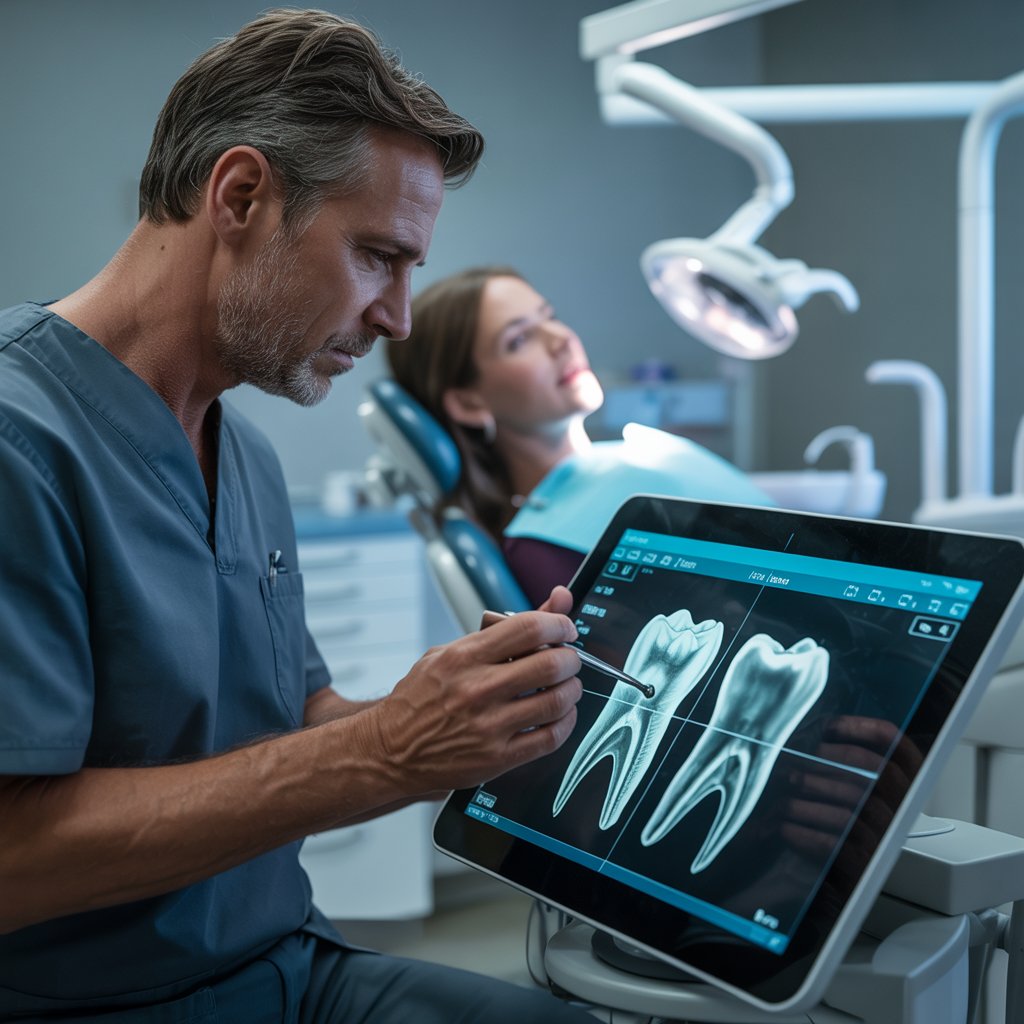
A good emergency visit usually starts with an exam and, when needed, X-rays. The total cost depends on the diagnosis. A simple smoothing and bonding repair after a minor chip is very different from draining an abscess or completing an extraction. Insurance may reduce some of the expense, but many patients in urgent situations are uninsured, between plans, or dealing with high deductibles. That is where transparency matters. Many offices in Plano offer payment options, phased treatment plans, or membership savings for self-pay patients.
The practical advantage of seeing an affordable emergency dentist in Plano, TX is not just the lower immediate bill. It is the chance to make a smart decision under pressure. When the office explains what must be done today, what can wait, and what each option costs, patients can act without feeling trapped.
Why fast treatment often saves money
I have seen the same pattern repeat across urgent dental cases. A patient feels intermittent pain for a week, then decides to “tough it out” because they are worried about the cost. They chew on the other side, rinse with warm salt water, and hope it settles down. Sometimes it does, briefly. Then the nerve flares, the face begins to swell, or the broken edge cuts the tongue. By the time they come in, the treatment is more involved than it would have been at the start.
There is nothing irrational about waiting when money is tight. People do it because they are trying to manage risk. The problem is that teeth usually do not improve on their own. Cracks spread. Cavities deepen. Infections move through tissue and bone. The most affordable emergency care is often the earliest competent care.
That is particularly true for children, though adults tend to ignore symptoms longer. A child with a chipped front tooth after sports may only need conservative treatment if seen quickly. If the pulp becomes exposed or the tooth darkens later, the options narrow. Adults with old fillings and crowned teeth face similar trade-offs. A loose crown that gets recemented promptly is a manageable fix. A loose crown left off for days while the tooth shifts or fractures can turn into a much larger restorative case.
Common urgent problems seen in Plano dental offices
The emergencies that show up most often are not exotic. They are everyday failures of teeth, fillings, crowns, gums, and old dental work under stress. Plano’s active families, youth sports schedules, busy work routines, and widespread coffee and ice habits create a familiar mix of accidents and chronic wear.
Toothaches remain the most common reason people seek urgent care. The source might be deep decay, an inflamed nerve, a cracked tooth, gum infection, or impacted debris. The pain can radiate to the ear, jaw, or temple, which is why patients sometimes mistake a dental problem for a sinus issue or headache.
Broken teeth come next. Some break suddenly on hard food. Others crack slowly over months, then finally split on something as harmless as toast. Front tooth injuries are especially stressful because they affect appearance immediately. Back teeth matter just as much functionally, since they bear the highest chewing load.
Lost fillings and crowns are also frequent. These can feel minor until the exposed tooth becomes temperature-sensitive or starts trapping food. An emergency dentist can often place a temporary or permanent solution quickly, depending on the condition of the remaining tooth.
Swelling deserves special attention. Facial swelling, gum swelling, or a bad taste draining in the mouth often points to infection. That is not something to monitor casually for several days. Dental infections can progress faster than many people realize, especially if the immune system is already stressed.
What to do before you reach the office
There is a short window between the moment the problem starts and the moment you sit in the dental chair. What you do during that window can make a real difference in comfort and outcome.
- Rinse gently with warm water to clear debris and get a better look at the area.
- Use a cold compress on the outside of the face for swelling or trauma, usually in short intervals.
- If a tooth has been knocked out, hold it by the crown, not the root, and keep it moist in milk or saliva if possible.
- Take over-the-counter pain medication as directed on the label unless a physician has told you not to use it.
- Call the dental office and describe the symptoms clearly, including swelling, bleeding, trauma, fever, or a lost tooth.
There are a few things worth avoiding. Do not place aspirin directly on the gum, which still happens more often than you would think and can burn the tissue. Do not ignore swelling that is increasing. Do not keep testing the painful tooth by biting on it repeatedly. And if a crown or fragment has come off, do not try to glue it back with household adhesive.
What an emergency visit usually looks like
Patients often imagine emergency dental care as rushed, improvised treatment. In a well-run office, it is more orderly than that. The first step is triage. The team needs to know whether you are dealing with trauma, infection, severe pain, active bleeding, or something that mainly requires temporary stabilization.
From there, the dentist examines the area, asks when the pain started, what triggers it, and whether there are symptoms like swelling, fever, sensitivity to biting, or lingering pain after hot and cold. X-rays often follow, because many urgent problems are not fully visible from the outside. A cracked cusp, abscess, deep decay under an old filling, or root issue can look deceptively simple without imaging.
The treatment itself depends on the diagnosis. Sometimes relief is immediate and straightforward. A draining infection, recemented crown, smoothed fracture, or sedative filling can lower pain quickly. Other cases involve a decision between preserving the tooth and removing it. That conversation should be direct, not sales-oriented. A good dentist explains prognosis, timing, and cost in plain language.
For affordability, this is where professional judgment matters most. If the tooth can be stabilized with a temporary measure until a full procedure is feasible, many patients appreciate that route. If delay would predictably worsen the outcome, they need to hear that honestly too.
When a tooth can be saved, and when extraction makes sense
People understandably hope every painful tooth can be rescued. Sometimes it can. Modern dentistry offers several ways to save structurally damaged or infected teeth, especially when enough healthy tooth remains and the surrounding bone support is stable.
A root canal may be the right answer when the pulp is infected or inflamed but the rest of the tooth can still support a restoration. A crown can protect a cracked or heavily restored tooth after the internal problem is addressed. Bonding or a filling may be enough for smaller fractures or lost restorations.
There are cases, though, where extraction is the more sensible and more affordable choice. If the tooth is split below the gumline, severely decayed beyond repair, extremely loose from advanced periodontal disease, or fractured through the root, saving it may be unrealistic. Patients deserve a realistic picture, not false optimism followed by repeated costs.
That decision can be emotional, especially for visible teeth or long-standing dental work. I have found that patients do best when the discussion focuses on function, predictability, and total cost over time. A lower-cost treatment today is not truly affordable if it has little chance of lasting.
Insurance, payment options, and cost transparency
Cost discussions are easier when they happen early. A patient in severe pain cannot absorb a maze of financial language. Offices that handle emergencies well usually train their front desk teams to explain the basics before the visit when possible: exam fees, whether X-rays are typically needed, what insurance information to bring, and whether payment plans are available.
Dental insurance varies widely. Some plans help with exams, radiographs, extractions, and emergency palliative treatment. Others cover a smaller percentage until the deductible is met. Some plans have waiting periods on major procedures. None of that is intuitive to the patient trying to get through the day.
That is why affordability is not just a number. It is a process. It includes a written estimate, clear choices, and no vague language about “we’ll see what insurance does” after the work is already done. Self-pay patients should ask whether the office has an in-house membership plan, third-party financing, or same-day options that reduce the immediate burden.
A trustworthy office will also tell you when a specialist referral is the better path. Complex oral surgery, severe facial trauma, or advanced endodontic treatment may need another level of care. Referring appropriately is part of ethical emergency dentistry, not a sign of weakness.
Warning signs that should move you up the schedule
Some patients call and apologize for “bothering” the office because they are not sure if the problem is serious enough. If any of the following are happening, it is reasonable to seek urgent care the same day or as soon as possible.
- Swelling in the face, gums, or jaw, especially if it is spreading.
- Throbbing pain that wakes you up or does not improve with standard pain relief.
- A knocked-out adult tooth or a tooth that suddenly feels loose after trauma.
- Bleeding that continues after pressure and basic first aid.
- Fever, foul taste, or pus near a painful tooth.
These symptoms do not guarantee the worst-case scenario, but they raise the stakes. The biggest mistake I see is assuming a strong antibiotic alone will “fix the tooth.” Medication may help control infection temporarily, but if the source remains in the tooth or surrounding tissues, the problem tends to return.
Choosing the right emergency dentist in Plano, TX
Search results can make every office look the same. Similar promises, similar stock photos, similar claims about comfort and convenience. When you are in pain, you do not have time for extensive research, but a few details can help you quickly identify a sound option.
Look for same-day or prompt urgent appointment availability, not just vague language about emergencies. Check whether the office mentions treatment for toothaches, broken teeth, swelling, extractions, and lost vitalitydentaldfw.com Emergency dentist Plano, TX crowns, because that usually reflects genuine emergency workflow. Read reviews with an eye for specifics. Patients describing fast relief, clear pricing, and respectful communication tell you more than a generic five-star rating.
It also helps to notice whether the office seems prepared for people without perfect circumstances. Emergency patients may be anxious, embarrassed, uninsured, or returning to dental care after a long gap. An office that treats those realities with patience tends to manage urgent cases better overall.
For families in Plano, location matters too. A dental emergency is easier to handle when the office is close enough that you are not sitting in traffic while swelling worsens or a child is crying in the back seat. Convenience may sound secondary, but in urgent care it affects whether people actually get treatment in time.
The role of aftercare in keeping the problem affordable
An emergency visit is often the first chapter, not the last. Pain relief on day one is important, but what happens next determines whether the solution holds. A temporary crown, sedative filling, drained infection, or initial trauma repair usually comes with follow-up instructions that matter more than patients expect.
If the dentist tells you to avoid chewing on a side, finish prescribed medication, return for definitive treatment, or call if swelling increases, those are not routine formalities. They are the difference between controlled healing and another emergency visit.
I remember one patient who had a fractured molar stabilized before an out-of-town work trip. He felt better within hours and nearly canceled the recommended follow-up crown appointment because the pain had disappeared. The tooth fractured again two weeks later, this time below the gumline, and what could have been a repair became an extraction. That kind of scenario is common. The absence of pain does not always mean the tooth is secure.
Affordability over time depends on finishing the plan. Emergency treatment solves the immediate crisis. Definitive treatment protects the investment.
A practical mindset during a dental emergency
Panic is understandable, but it makes decision-making harder. The best approach is to focus on three questions: How urgent is this, what is the likely source, and what is the most predictable next step I can afford? Those questions lead to better outcomes than searching endlessly for a miracle home remedy or the lowest advertised price.
An affordable emergency dentist Plano, TX patients can rely on should help answer those questions without pressure. You should know whether the tooth is saveable, whether infection is present, what must happen today, and what can be delayed safely. You should also leave with a realistic estimate of the next phase, not just temporary relief.
Urgent dental care is never pleasant, but it does not have to become a financial spiral. Fast evaluation, honest options, and sensible treatment planning can turn a painful disruption into a manageable problem. That is what people actually need in an emergency, not flashy promises, just skilled care delivered quickly, clearly, and at a price they can understand.
Vitality Dental
1220 Coit Rd # 106, Plano, TX 75075, United States
+1 972-645-4100
FAQ About Emergency dentist Plano, TX
Will the ER do anything for dental pain?
An emergency department can assess urgent symptoms and provide medical stabilization. Definitive treatment of the tooth usually requires a dentist. Seek emergency medical care for breathing or swallowing difficulty, uncontrolled bleeding, or serious facial injury.
What to do if I have a dental emergency in the middle of the night?
Contact a dentist or after-hours dental service promptly for guidance. If a permanent tooth is knocked out, keep it moist in milk while seeking immediate care. If symptoms suggest a medical emergency, go to an emergency department.
What qualifies as a dental emergency?
A knocked-out permanent tooth, severe or persistent tooth pain, a significant dental injury, or swelling may require urgent dental assessment. Call a dentist to describe the symptoms and determine timing. Uncontrolled bleeding or difficulty breathing or swallowing requires emergency medical care.